
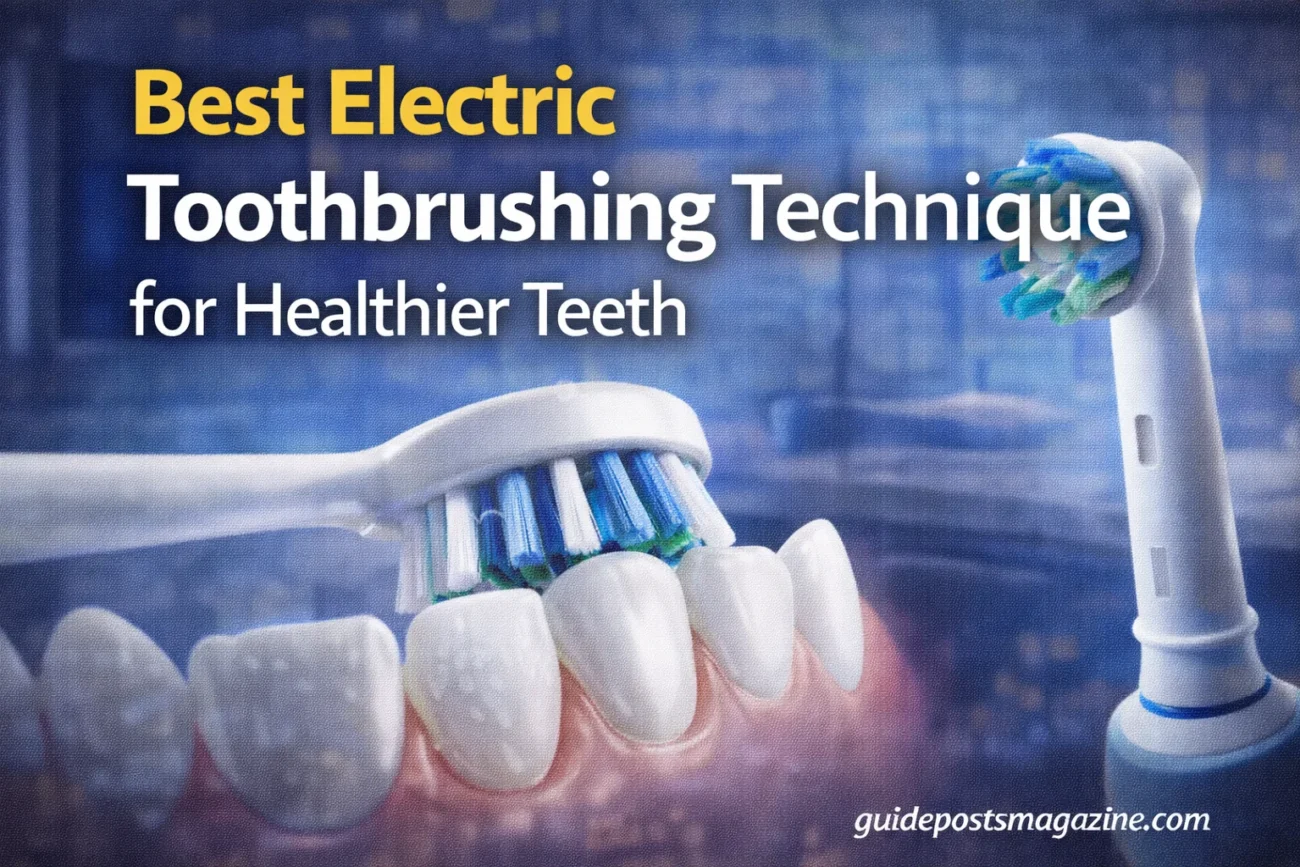
Good oral hygiene starts with proper brushing, but using an electric toothbrush correctly makes a big difference. Many people assume the brush does all the work, yet technique still matters. Understanding the best electric toothbrushing technique helps remove plaque effectively while protecting enamel and gums.
This detailed guide explains how to use an electric toothbrush properly, the right angle to hold it, how long to brush, and common mistakes to avoid. Whether you are new to electric brushing or looking to improve your routine, these steps will help you get better results.
Why Technique Matters Even With an Electric Toothbrush
Electric toothbrushes are designed to clean efficiently, but they still require correct handling.
Plaque removal depends on positioning
If the brush head is not placed properly along the gum line, plaque can remain in hard to reach areas.
Over brushing can damage gums
Pressing too hard or scrubbing aggressively may cause gum irritation and enamel wear.
Consistency improves long term oral health
Following the best electric toothbrushing technique daily supports healthier teeth and fresher breath.
How Electric Toothbrushes Work
Understanding how these brushes function helps you use them correctly.
Oscillating and rotating brushes
Some electric toothbrushes rotate or oscillate to loosen plaque effectively.
Sonic brushes
Sonic models use high frequency vibrations to move fluid between teeth and along gum lines.
Built in timers
Many brushes include timers that encourage brushing for the recommended two minutes.
Step by Step Best Electric Toothbrushing Technique
Following a structured approach ensures complete coverage.
Step one divide your mouth into sections
Split your mouth into four sections. Upper right, upper left, lower right, and lower left. Spend about thirty seconds on each section.
Step two hold the brush at a gentle angle
Position the brush at a forty five degree angle toward the gum line. This helps clean both teeth and gum edges.
Step three let the brush do the work
Do not scrub back and forth. Slowly guide the brush from tooth to tooth while allowing it to clean each surface.
Step four cover all surfaces
Clean the outer surfaces, inner surfaces, and chewing surfaces of every tooth.
Step five brush for two full minutes
Most dental professionals recommend brushing for at least two minutes twice daily.
Correct Brushing Angle and Pressure
Using proper angle and pressure is a key part of the best electric toothbrushing technique.
Ideal angle
A slight tilt toward the gums allows bristles to reach plaque buildup near the gum line.
Gentle pressure
Apply light pressure. Many modern brushes include pressure sensors that alert you if you are pressing too hard.
Avoid aggressive movement
Excessive movement can reduce cleaning effectiveness and cause discomfort.
How Long Should You Brush
Time plays a major role in effective cleaning.
Two minute standard
Brushing for two minutes ensures every section receives adequate attention.
Use built in timers
Many electric toothbrushes pause briefly every thirty seconds to signal moving to the next section.
Do not rush
Rushing through brushing may leave plaque behind.
Cleaning the Gum Line Properly
Healthy gums are essential for overall oral health.
Focus on gum margins
Move the brush gently along the edge where teeth meet gums.
Avoid hard scrubbing
Scrubbing can irritate gum tissue and cause sensitivity.
Consistency matters
Regular gentle cleaning supports gum health over time.
Brushing the Tongue and Cheeks
Oral hygiene goes beyond teeth.
Clean the tongue gently
Use the brush head or a tongue cleaner to remove bacteria.
Fresh breath support
Cleaning the tongue helps reduce odor causing bacteria.
Avoid excessive force
The tongue is sensitive, so brush gently.
Common Mistakes to Avoid
Even with good intentions, errors can reduce effectiveness.
Brushing too hard
Excess pressure can damage enamel and irritate gums.
Skipping inner surfaces
Many people neglect inner tooth surfaces.
Not replacing brush heads
Worn bristles clean less effectively and should be replaced every three months.
Benefits of Using the Best Electric Toothbrushing Technique
Adopting proper technique provides long term benefits.
Improved plaque removal
Correct positioning allows better cleaning around each tooth.
Reduced gum irritation
Gentle brushing helps prevent inflammation.
Stronger enamel protection
Avoiding excessive pressure protects tooth surfaces.
Electric Versus Manual Brushing
Many wonder if electric brushing is superior.
Ease of use
Electric toothbrushes require less manual movement.
Built in guidance
Timers and pressure sensors support correct habits.
Technique still matters
Regardless of brush type, proper method is essential.
Tips for Sensitive Teeth or Gums
Some individuals require extra care.
Use soft bristles
Soft bristles are gentler on sensitive areas.
Choose sensitive mode
Many electric brushes include lower intensity settings.
Consult a dental professional
If sensitivity persists, seek professional advice.
Maintenance of Your Electric Toothbrush
Proper care ensures effective performance.
Rinse after each use
Clean the brush head thoroughly.
Store upright
Allow it to air dry between uses.
Replace brush heads regularly
Change the head every three months or sooner if bristles fray.
Best Routine for Complete Oral Care
Brushing is only one part of oral hygiene.
Floss daily
Floss removes plaque between teeth.
Use mouth rinse if recommended
A dentist may suggest additional products for certain needs.
Schedule dental checkups
Regular visits help maintain overall oral health.
Teaching Children the Best Electric Toothbrushing Technique
Children can also benefit from electric brushing.
Supervise young children
Ensure they use gentle pressure.
Make it engaging
Use timers or fun routines to encourage proper brushing.
Reinforce good habits
Consistency builds lifelong oral care skills.
Signs You Are Brushing Correctly
It is helpful to recognize effective technique.
Clean smooth teeth
Teeth should feel smooth when touched with the tongue.
Healthy gums
Gums should appear pink and not bleed frequently.
Fresh breath
Proper brushing reduces odor causing bacteria.
Long Term Impact of Proper Technique
Small daily habits create lasting results.
Reduced risk of cavities
Effective plaque removal lowers cavity risk.
Better gum health
Consistent care supports strong gum tissue.
Improved overall confidence
Healthy teeth contribute to a confident smile.
Summary of the Best Electric Toothbrushing Technique
The best electric toothbrushing technique involves holding the brush at a slight angle, using gentle pressure, dividing the mouth into sections, and brushing for a full two minutes. Let the brush perform the cleaning motion while you guide it carefully over each surface.
Consistency, proper angle, and adequate timing are key elements of successful brushing.
Conclusion
Mastering the best electric toothbrushing technique is essential for maintaining strong teeth and healthy gums. While electric toothbrushes offer advanced cleaning technology, proper usage determines how effective they are.
By following a structured routine, applying gentle pressure, and brushing thoroughly twice daily, you can improve your oral hygiene and protect your smile for years to come. If you have specific dental concerns, consulting a dental professional can provide personalized guidance.